Breathing
Short of breath on stairs after 50? What it can mean
Getting winded on a flight of stairs is common after 50. Here is why it happens, how to pace yourself and which signs mean a call to your doctor.
You saved your seat. Here is what you will get, how often it arrives, and the three articles to start with.
Your eyes after 50
Good blood flow, head to toe
The small swings that add up
Why sleep changes after 50
Small habits for a steadier start
One week, one small change
What the evidence actually says
Low-sugar drinks and breakfasts
Composite stories from common experiences
Why it's stubborn and what actually helps
Same comfort, fewer calories
What changes after 40, explained
The inside story on your weight
How your nerves work, in plain language
Staying steady on your feet
The vitamins and foods nerves run on
Short routines you can do at home
Common questions, answered plainly
Energy, drive and confidence
Keep the muscle you have
What's true, what's hype
Food that works as hard as you do
What is normal, what helps
Move more easily, every day
What really changes after 50
Easier breathing, explained
Ears, sound and the brain
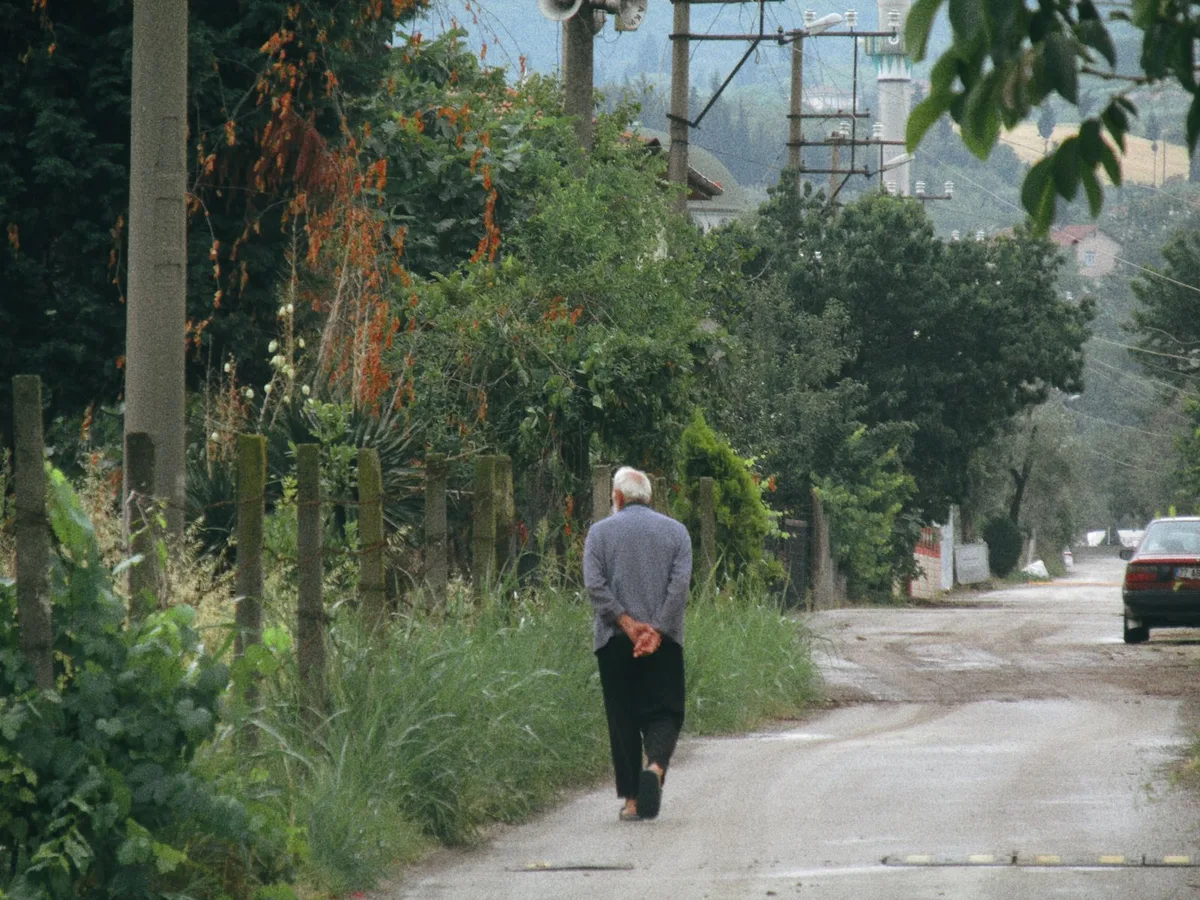
Getting winded on a flight of stairs is common after 50. Here is why it happens, how to pace yourself and which signs mean a call to your doctor.
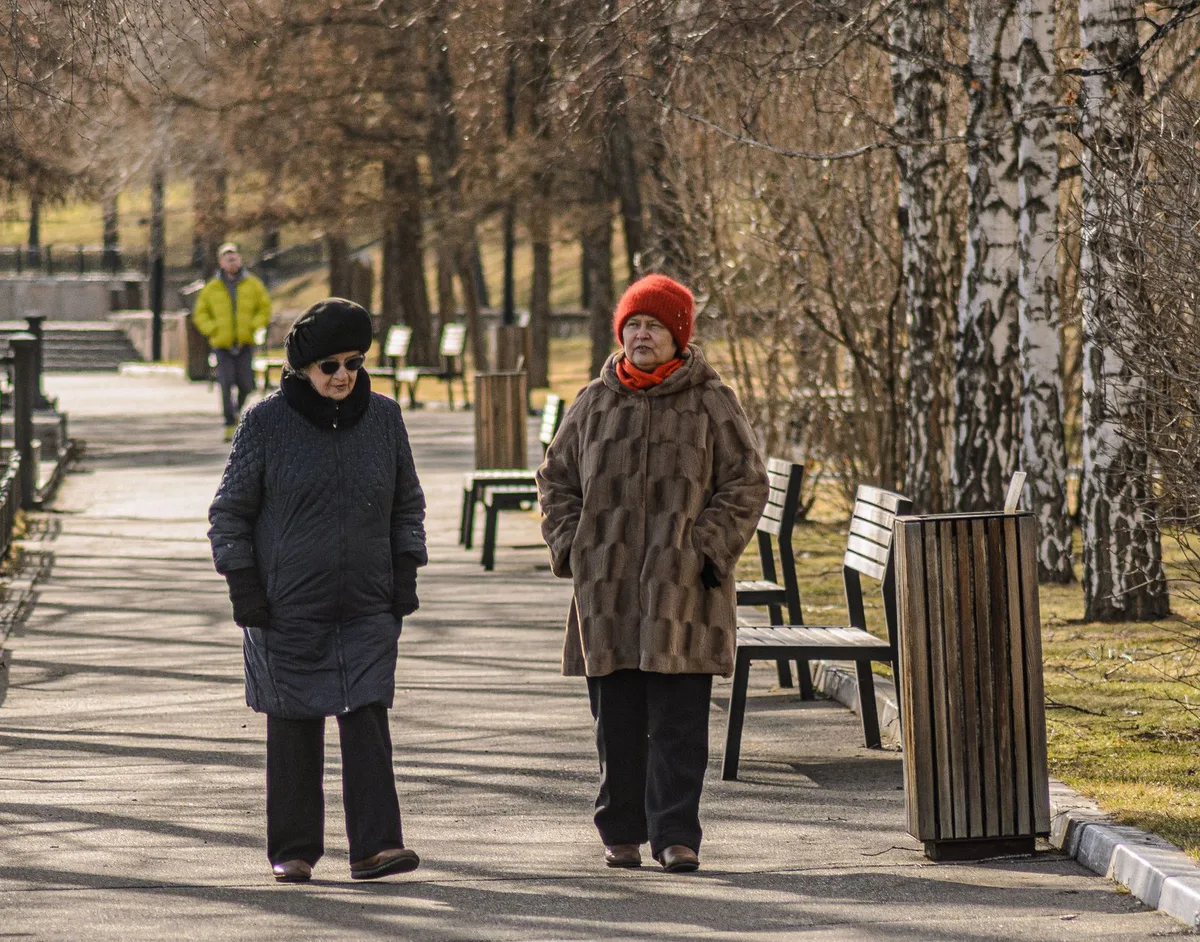
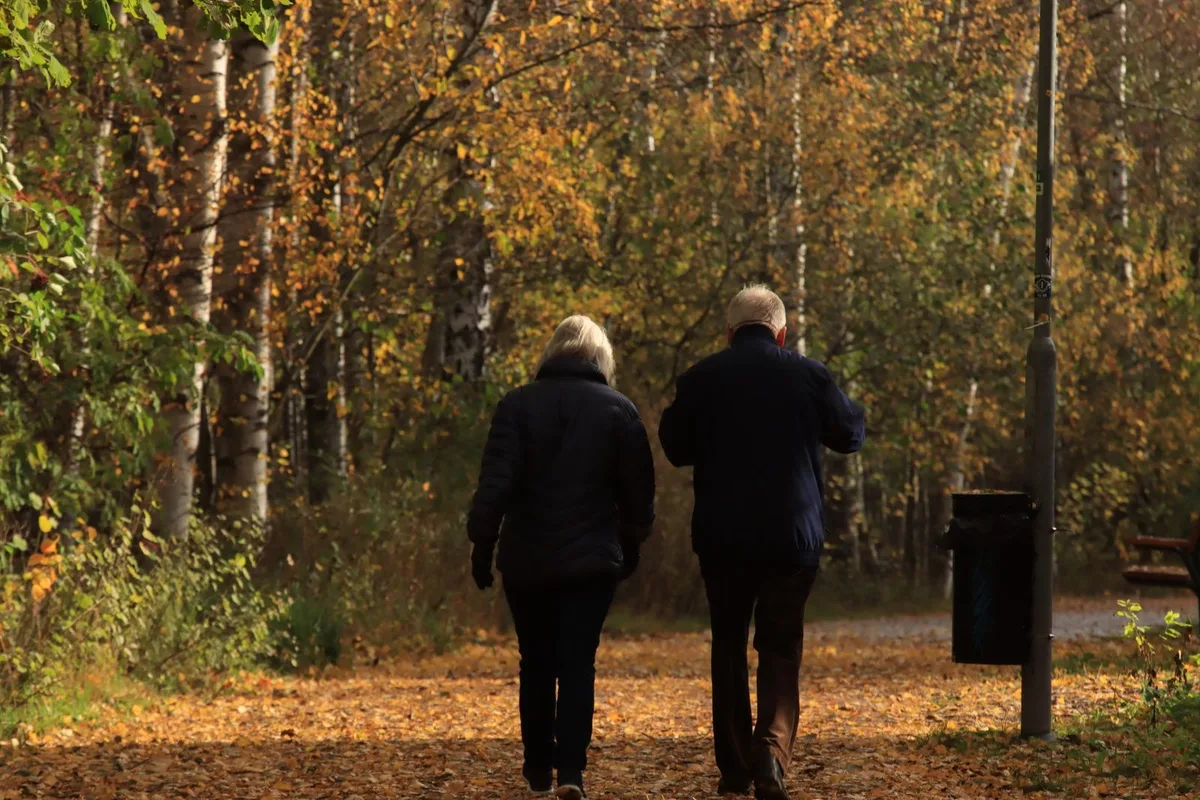
Regular brisk walking is linked to better brain health and memory as we age. Here is how much may help and easy ways to get started.
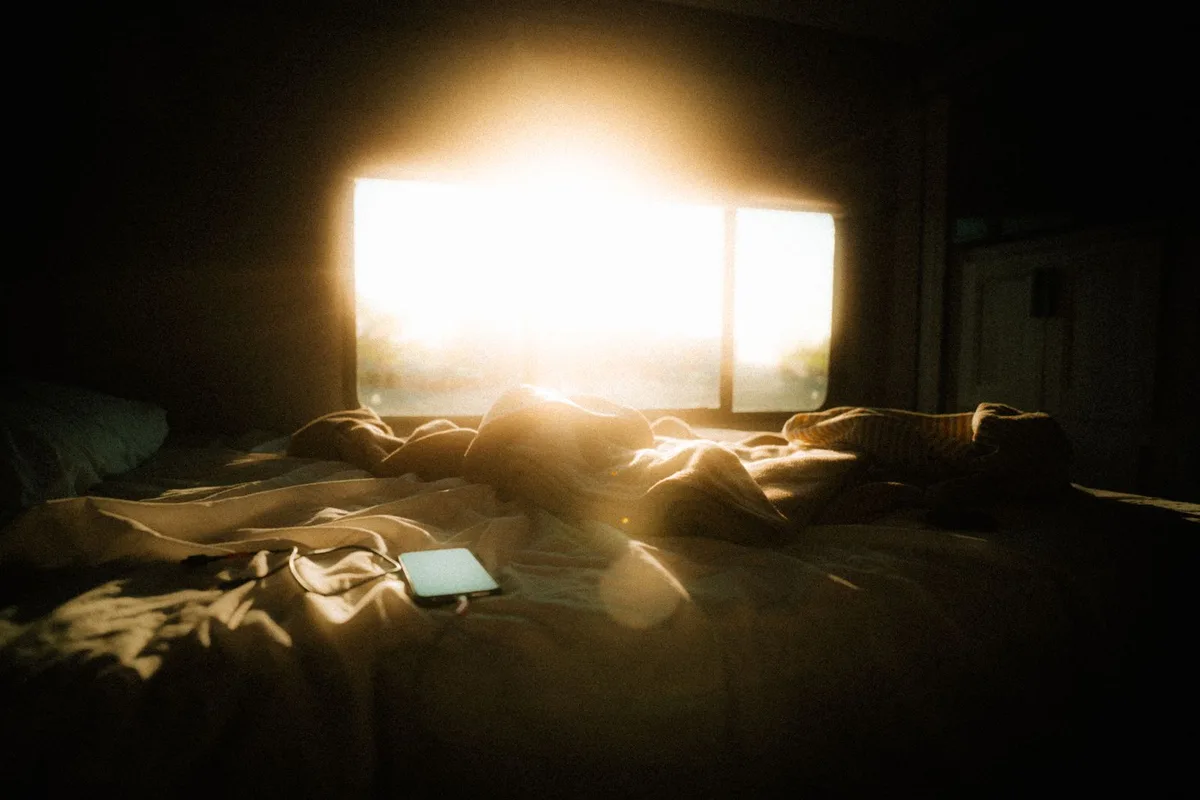
Get outside or by a bright window within an hour of waking, seven days in a row. Here is a simple plan and what you may notice.
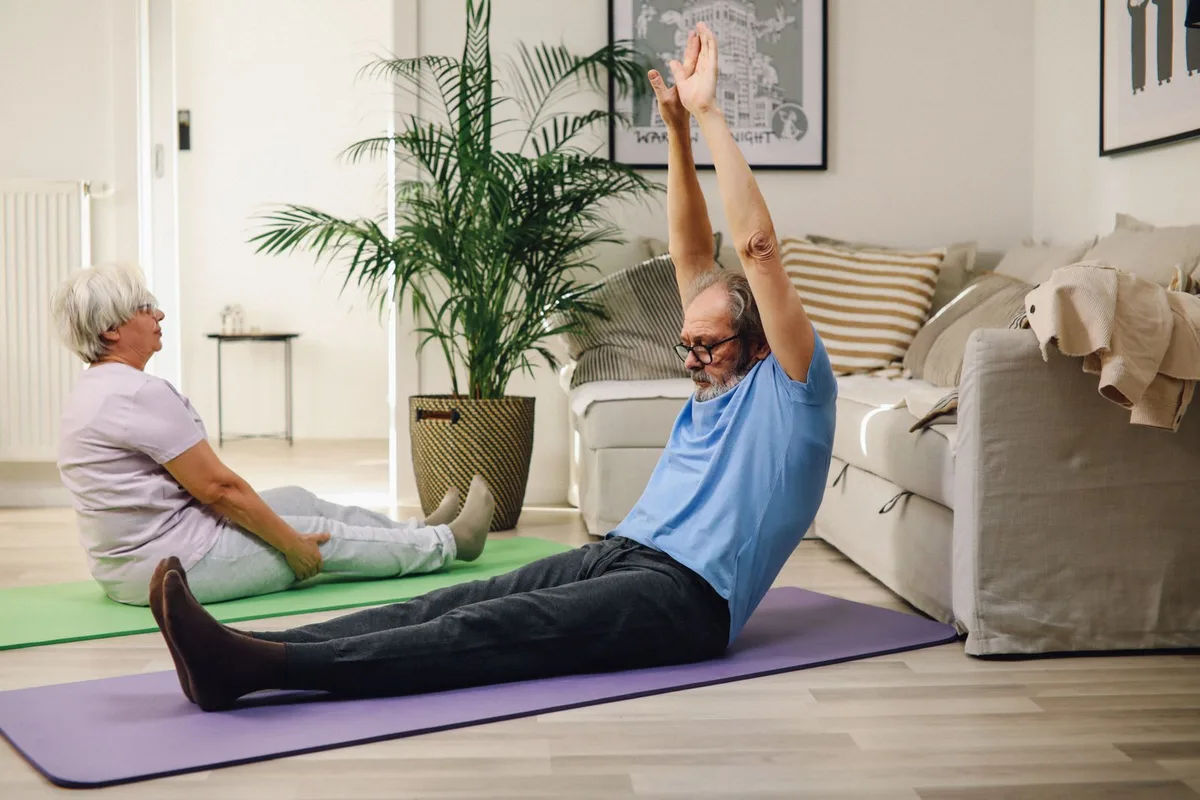
A short, gentle stretch routine every morning for one week. A day-by-day plan for stiff mornings and what to notice as you go.
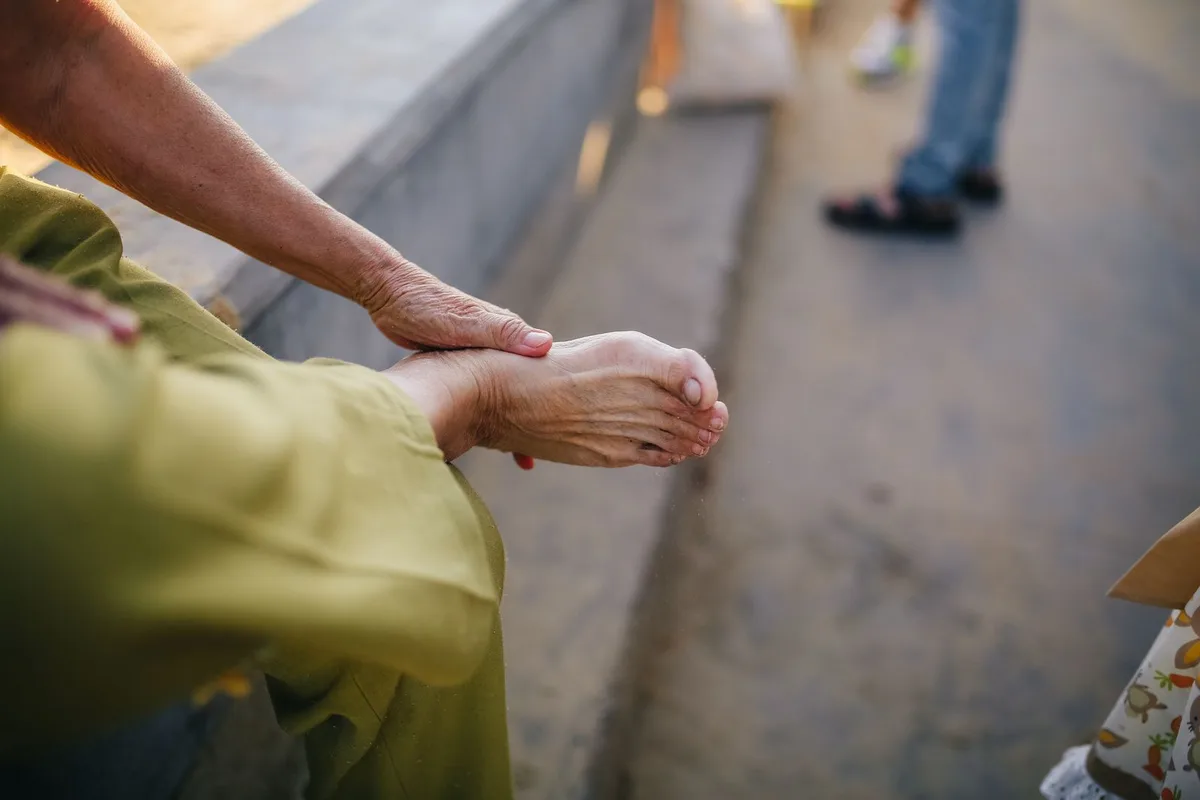
Cold feet in a warm room is a question we hear often. Here are the most common reasons, from circulation to nerves, and what may help.
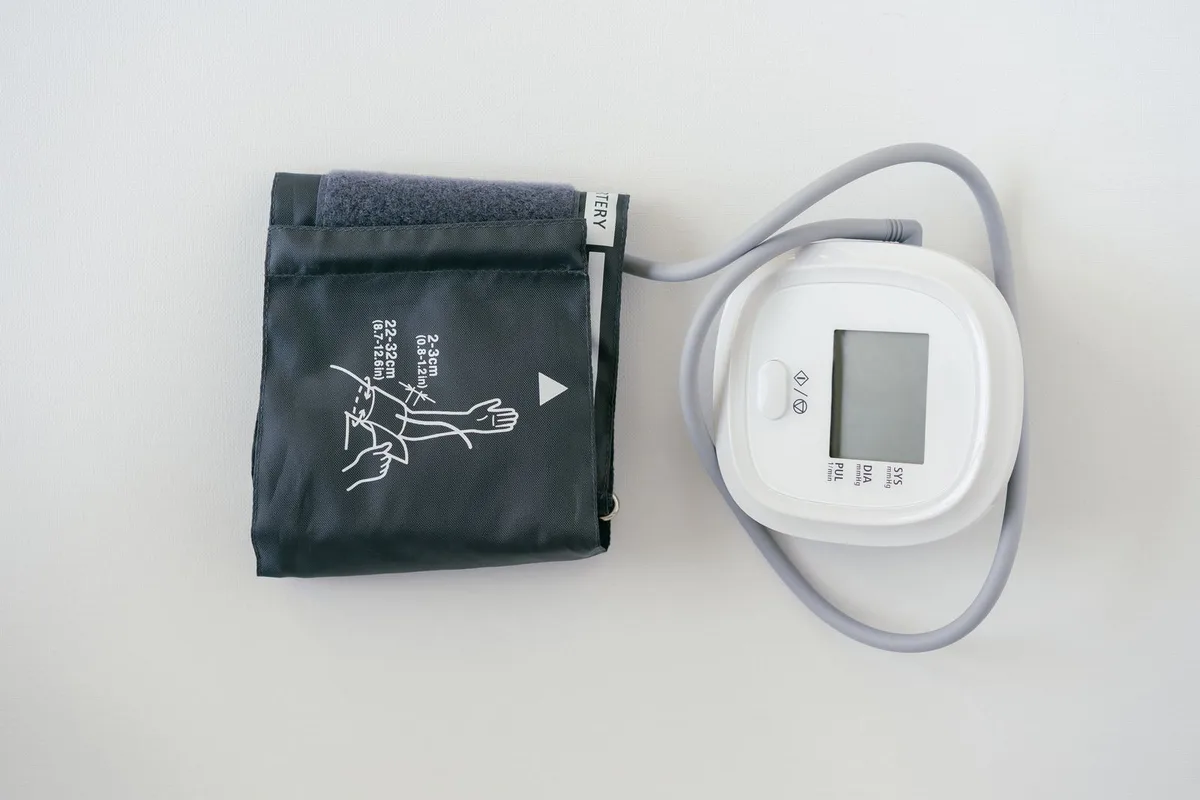
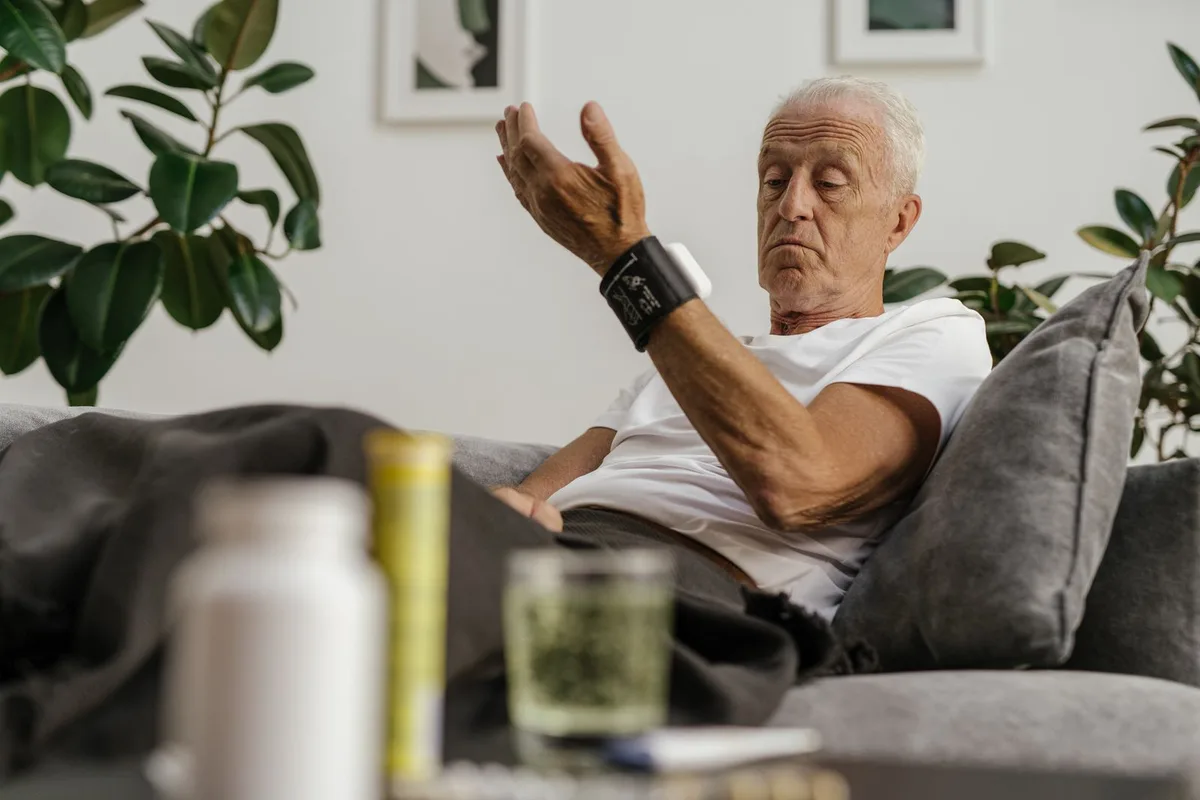
Small mistakes can push a home blood pressure reading up by several points. Here is how to measure it the right way, step by step.
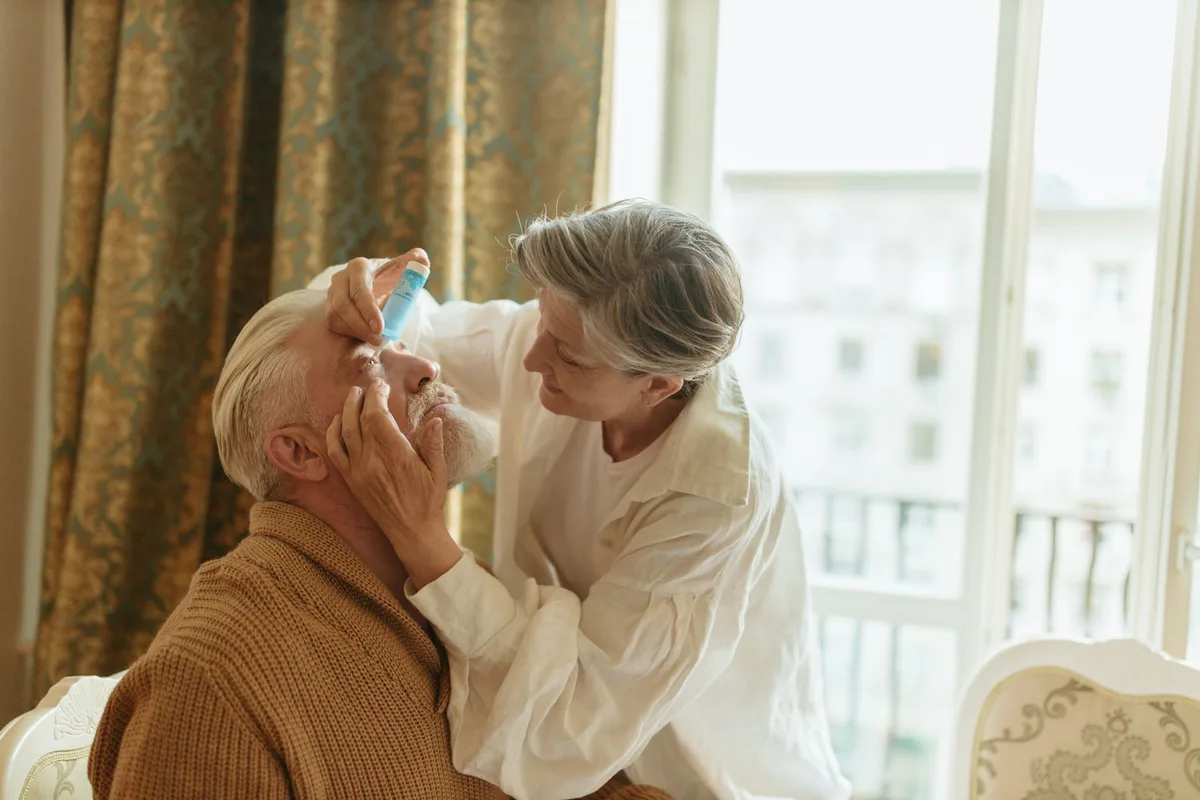
Tears change with age, and indoor heat, fans and screens make it worse. Here is why your eyes feel gritty and the everyday habits that may help.
If your feet tingle or feel numb, you may wonder if walking is safe. For most people it can help, with a few simple precautions.
Blood pressure naturally rises in the morning. Learn why it happens, why the timing of home readings matters, and calm habits to start the day.
Many people believe every cup of coffee needs an extra glass of water to make up for it. Here is what the evidence actually says.
Magnesium is everywhere in sleep routines online. Here is what the research really says, which foods have it, and what to know first.
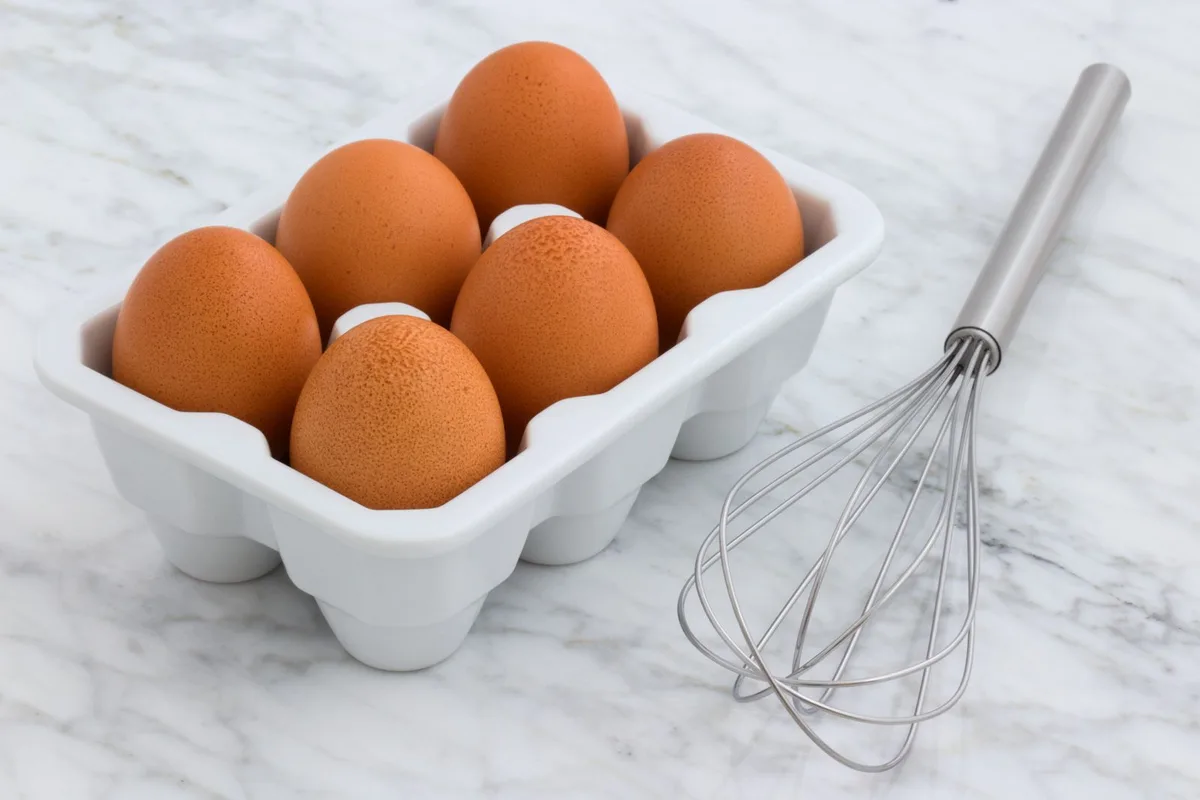
For years, eggs were blamed for high cholesterol. Here is what the evidence says now, and how eggs can fit into a healthy diet.
Tingling, numbness or burning in your feet can point to peripheral neuropathy. Here is what it is, what causes it and what to ask about.
Not a workout, not a step goal. A composite story about a short walk after dinner, the excuses along the way, and why it lasted.
Your eyes after 50
Good blood flow, head to toe
The small swings that add up
Why sleep changes after 50
Small habits for a steadier start
One week, one small change
What the evidence actually says
Low-sugar drinks and breakfasts
Composite stories from common experiences
Why it's stubborn and what actually helps
Same comfort, fewer calories
What changes after 40, explained
The inside story on your weight
How your nerves work, in plain language
Staying steady on your feet
The vitamins and foods nerves run on
Short routines you can do at home
Common questions, answered plainly
Energy, drive and confidence
Keep the muscle you have
What's true, what's hype
Food that works as hard as you do
What is normal, what helps
Move more easily, every day
What really changes after 50
Easier breathing, explained
Ears, sound and the brain